
Skip to content
Product Design© 2025

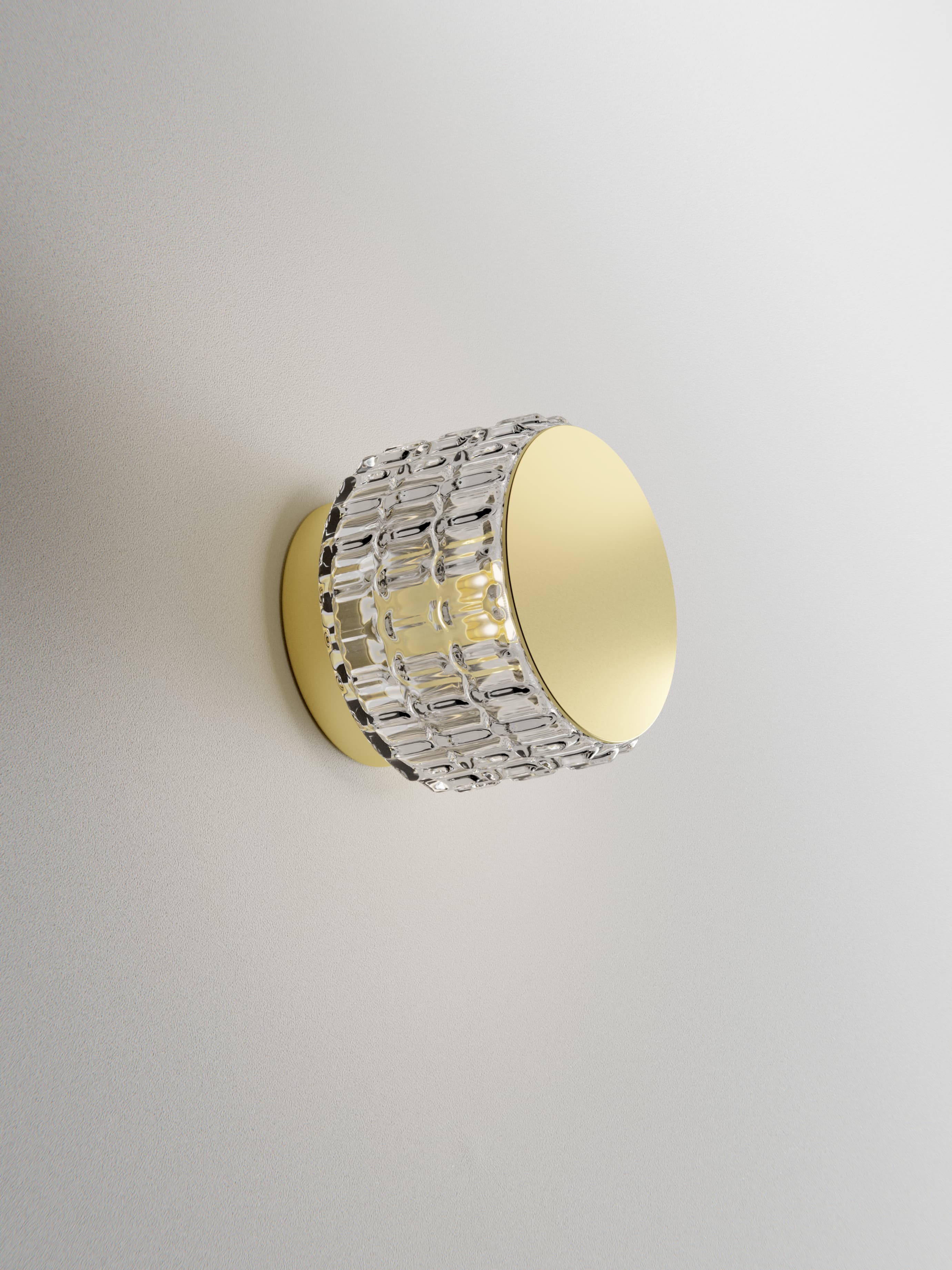
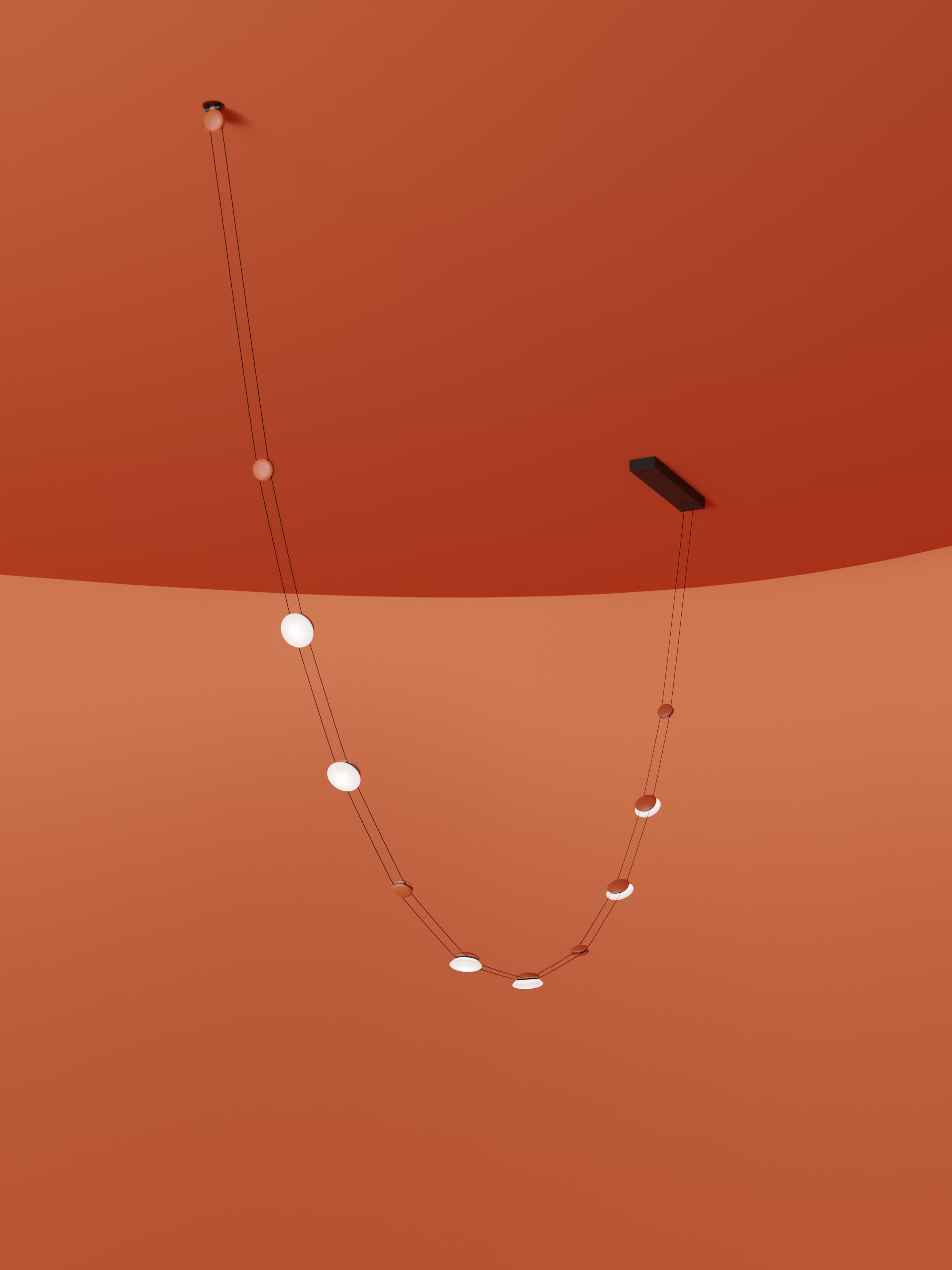
Composed of panels that alternate between voids and solids, it allows light to pass through, generating ethereal effects and layered transparencies. Like a filter, these panels shape a fluid and ever-changing texture.

Client
IUAV
Discipline
Product Design
Year
© 2025
Collaborators
Alessia Bestetti, Rebecca Brusa, Alice Osimati
(02)(The Story)© 2025

(Challenge)

Tesserio faced the challenge of creating a modular product that could remain visually minimal while offering depth and complexity through interaction with light. Balancing the contrast between void and solid without overwhelming the user required careful calibration. The design also had to remain versatile, allowing for transformation and movement, all while preserving a sense of poetic subtlety.

(Objective)

The core objective behind Tesserio was to explore the intersection of geometry, light, and perception. The goal was to develop a system of panels that could define space not through mass, but through absence and transparency. By filtering light and creating layered shadows, the design aimed to establish a quiet dialogue between separation and connection - an architectural element that evokes emotion through simplicity.

(Results)

The outcome is a modular product that redefines spatial boundaries through light and material interplay. Tesserio creates a constantly shifting visual experience, responding to movement and light conditions. It transforms environments with a soft rhythm of transparencies and shadows, offering not only functional division of space but also an invitation to observe, reflect, and engage.
(04)(FAQ)© 2026

Still have a question?

Write me a line - I usually reply within two working days.

Contact Now
  • Product design and development, 3D modelling for production, photoreal renders and animations, and art direction for catalogues and digital platforms.

  • You work directly with the person designing and modelling your product: fewer hand-offs, faster decisions and one point of responsibility from concept to final files.

  • A render pack usually takes one to two weeks; product development depends on complexity. You get a clear timeline before we start.

  • CAD files in STEP or IGES, so they open in any software, plus high-resolution renders and anything else agreed in the brief.

  • Yes. Most collaborations start with one project - a retainer only makes sense once we know we work well together.

  • Yes, with early-stage teams building a physical product or the tools around one, where one person can cover form, images and software. Send the role and where the company is at.